Every Rajasthani household changes what it eats in December, and the change is remarkably consistent: goond ladoo, til chikki, gur, kharak in milk, more nuts. The tradition explains this as taseer - the warming nature of foods. It is worth separating what is observably true from what is inherited.
Short answer: The traditional winter foods - goond, kharak, til, gur, nuts - are all energy-dense, which is the real mechanism: more calories when the body spends more on staying warm. The 'garam taseer' framework is older than the physiology and does not need to be literally true to be useful.
What is actually true
The body does spend more energy maintaining temperature in cold weather - not dramatically, but measurably. A diet that shifts towards denser food in winter is responding to something real.
Appetite also changes. Most people eat more in cold weather and find heavy food more appealing, which is why a goond ladoo is satisfying in December and faintly unbearable in May.
And several of these foods genuinely do things: til carries calcium, kharak and gur carry a little iron, nuts carry useful fats. None of it is unique to winter; it is simply that winter is when people eat more of it.
What the taseer framework is
The classification of foods as garam (warming) or thanda (cooling) is a traditional framework, and like most such frameworks it encodes a lot of accumulated practical observation in a language that does not map onto physiology.
There is no measurable sense in which an almond raises body temperature and a cucumber lowers it. What there is, is a long-observed pattern about which foods suit which season, which bodies find heavy at which times of year, and which combinations sit well - and that pattern is often sound even where the explanation is not.
So the honest position is: the tradition is a good rule of thumb arrived at empirically. It does not need defending as literal physiology, and it does not need dismissing either.
Where it goes wrong is when it becomes a prohibition - curd is cooling so never eat it in winter, mango is heating so avoid it entirely. That is the framework overreaching.
The practical winter shift
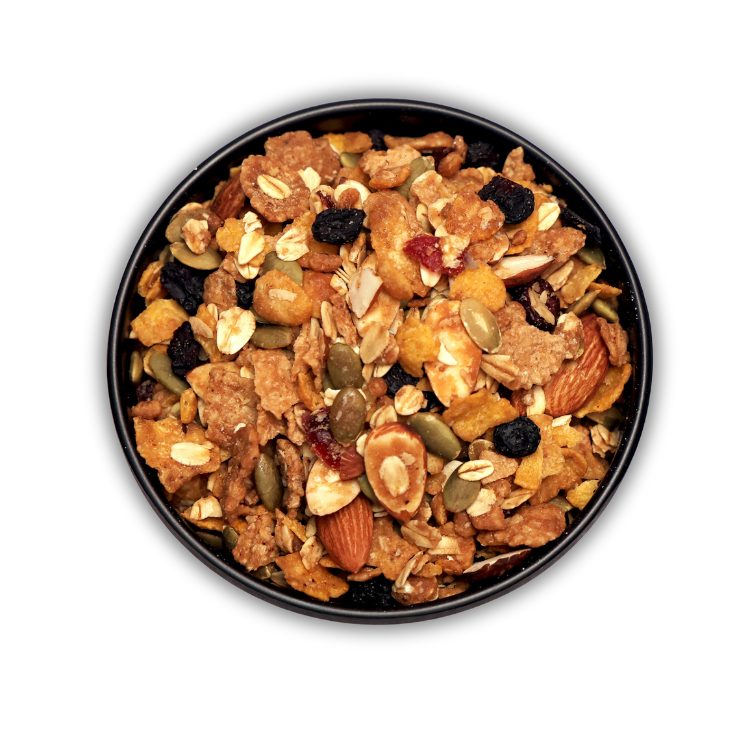
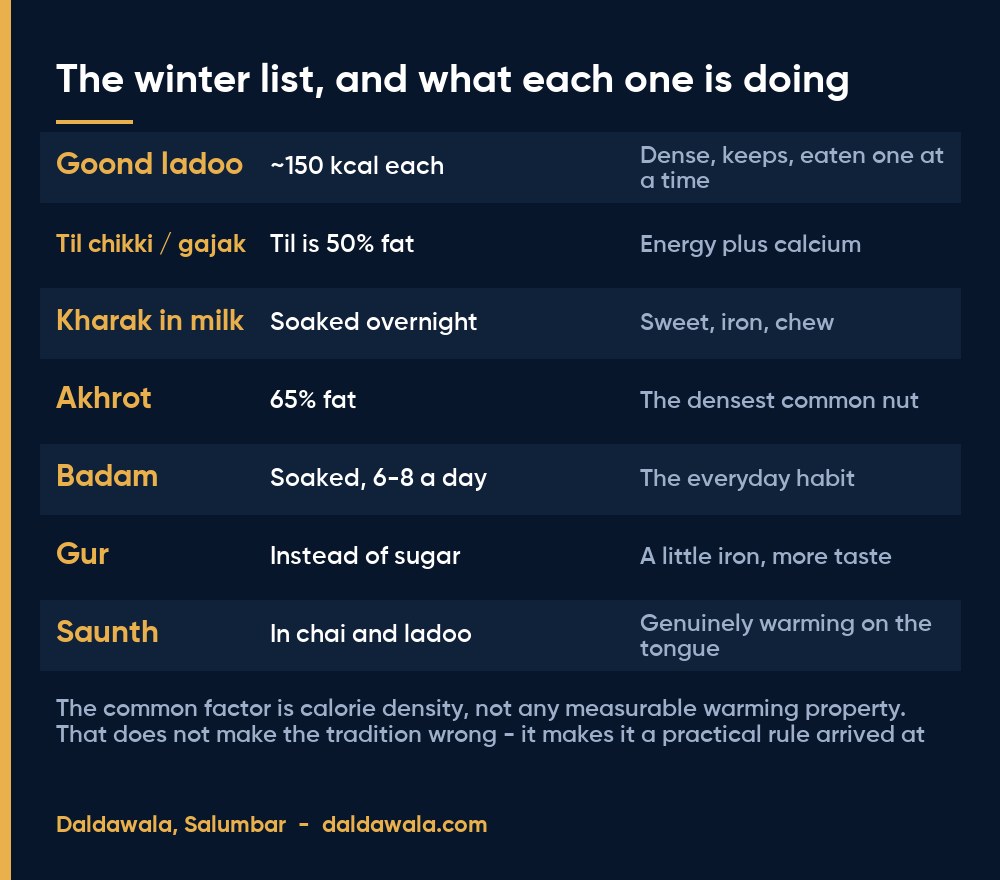
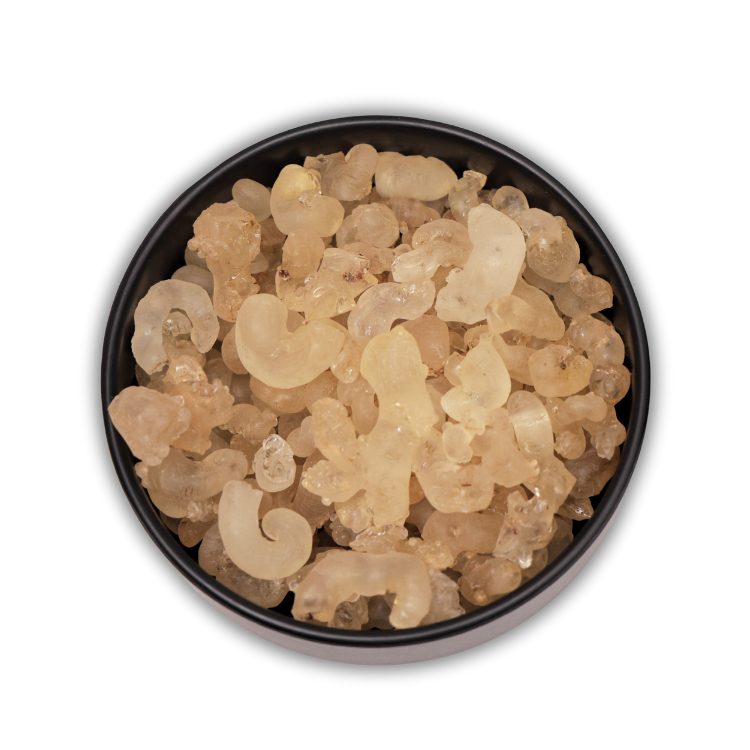
Goond ladoo or panjiri in a tin. One a day with warm milk in the morning. This is the centrepiece of a Rajasthani winter and it genuinely works - dense, portable, needs no cooking, lasts a month.
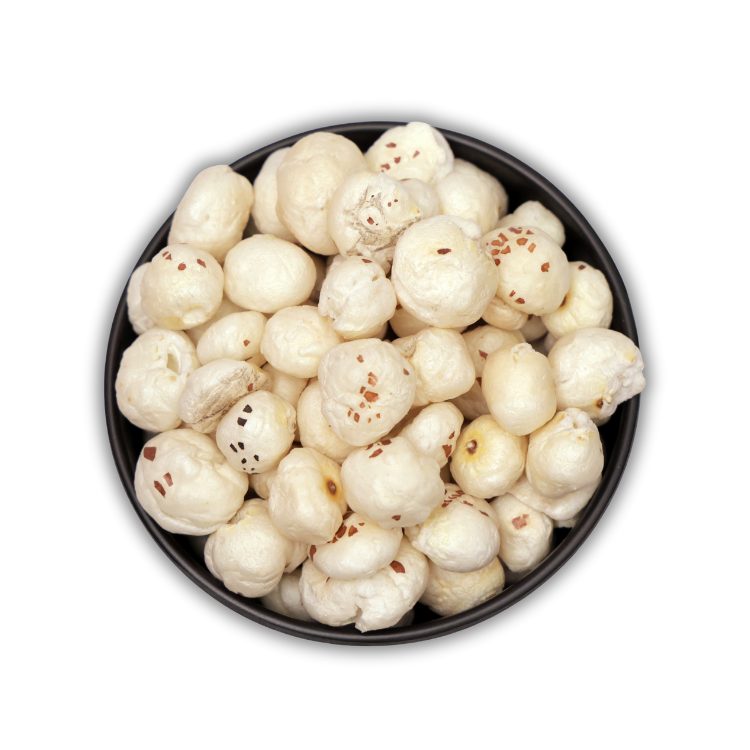
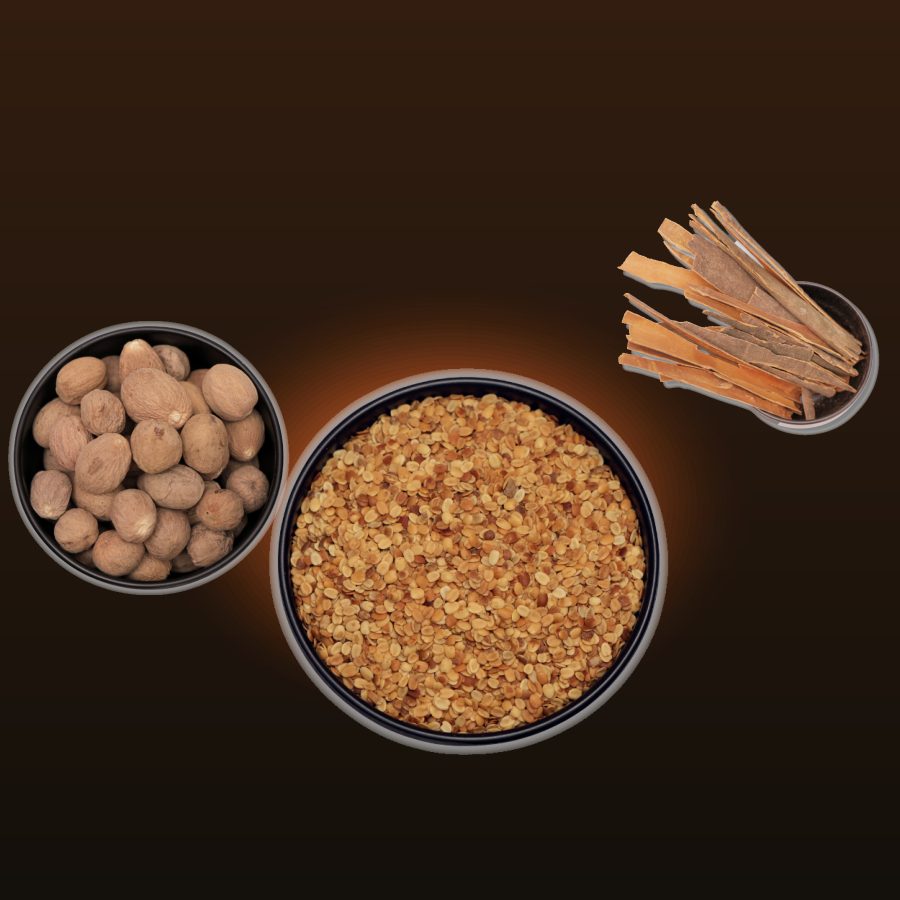
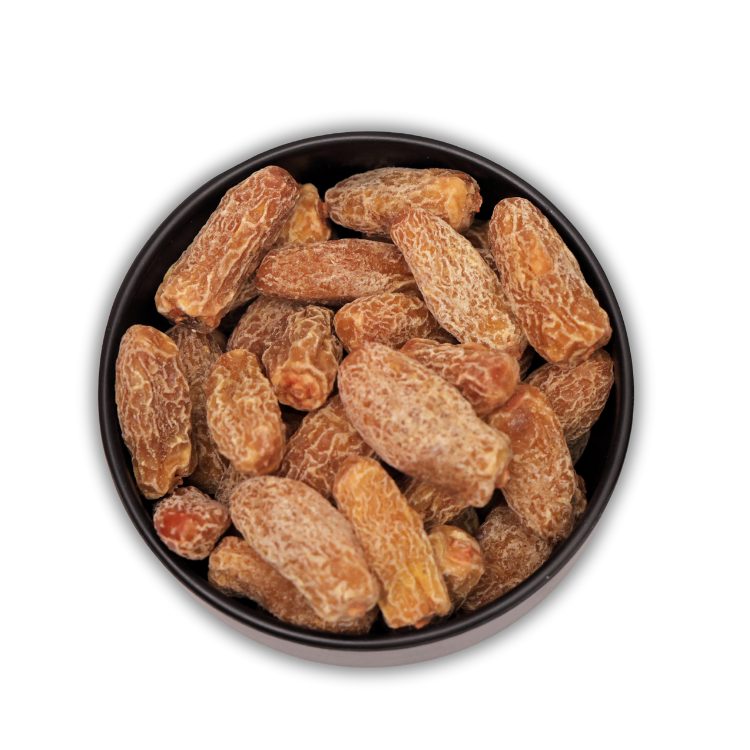
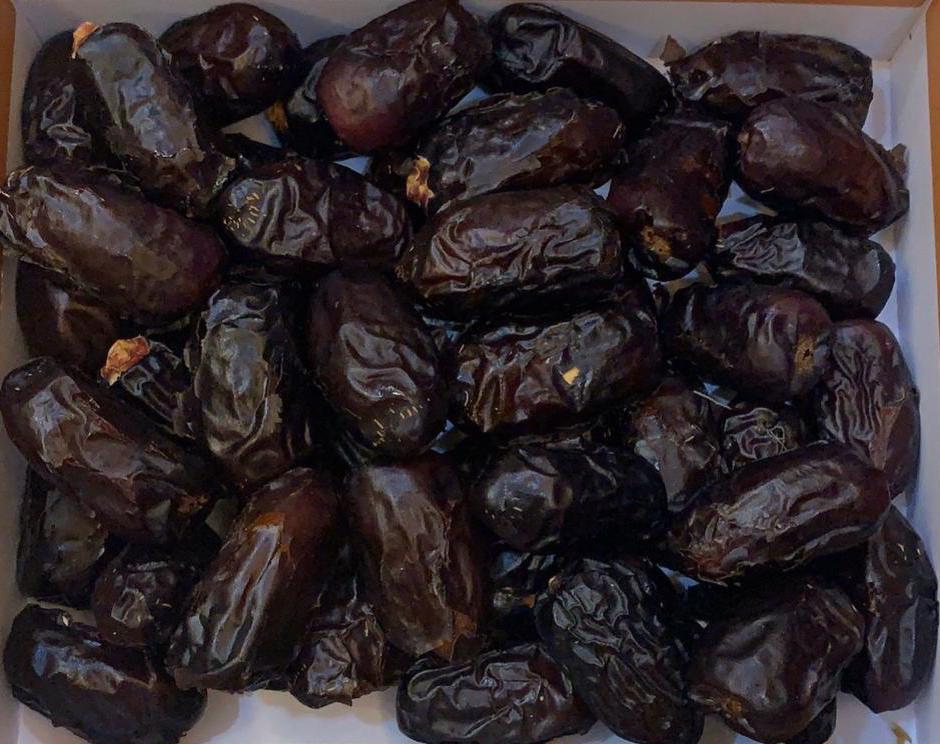
Kharak soaked in milk overnight. Two or three, eaten in the morning. Sweet, chewy, and a traditional answer to winter weakness.
Til in some form, daily. Chikki, gajak, or til in the ladoo. Til is the one genuinely high-calcium thing in a traditional Rajasthani winter diet.
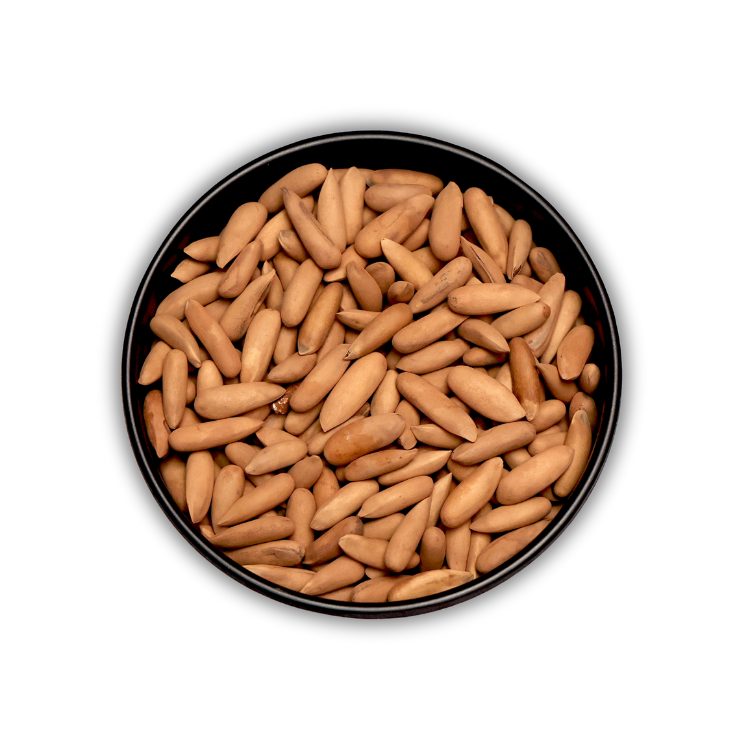
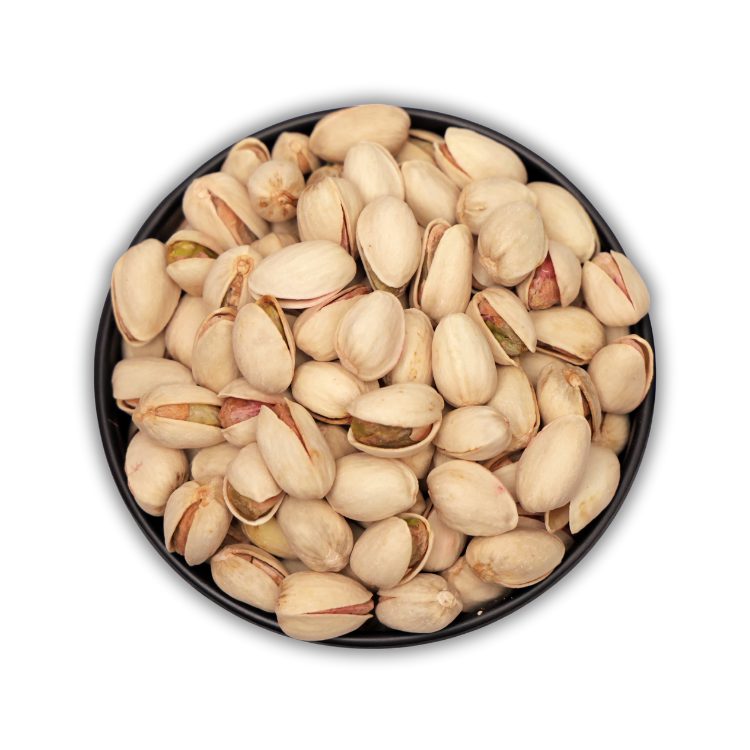
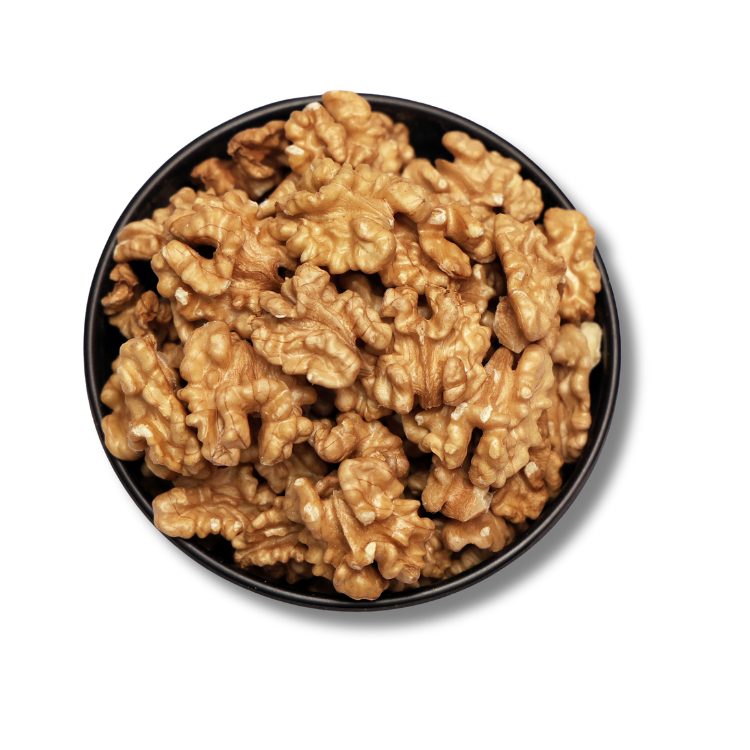
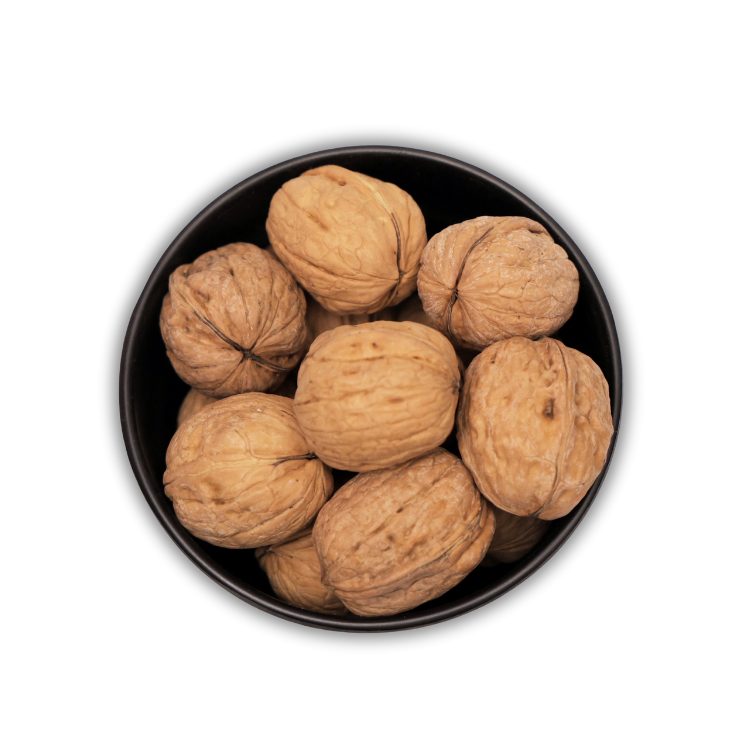
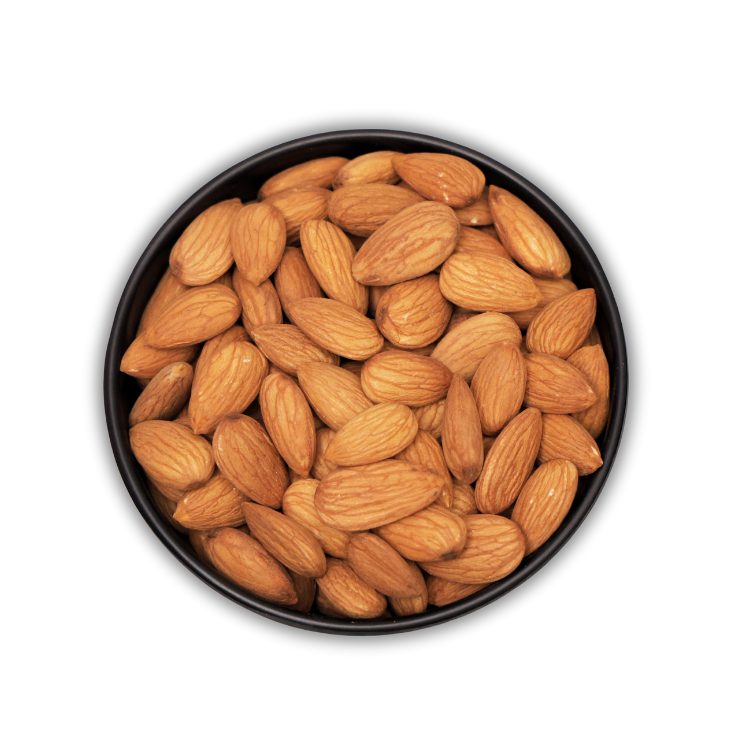
More walnuts. The densest common nut, and the season when its oil is least likely to turn - winter storage is easy.
Saunth in the chai. Dry ginger does produce a real warming sensation, and in a cold Mewar morning that is worth having.
What winter does not require
Eating dramatically more. The additional energy cost of cold weather for most people, in a house, in Rajasthan, is modest. The tradition developed when more people worked outdoors in it.
Giving up everything cooling. Curd in winter is fine. So is fruit.
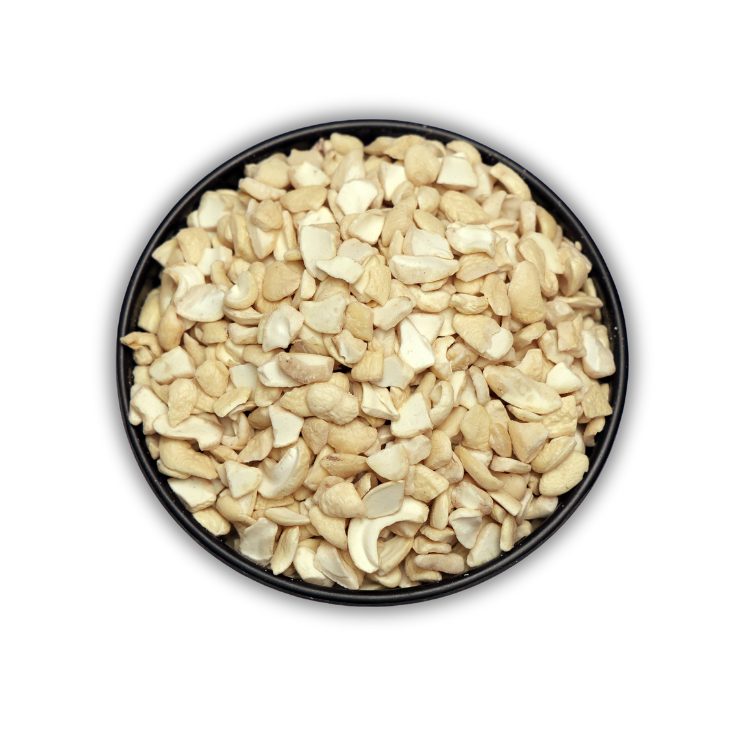
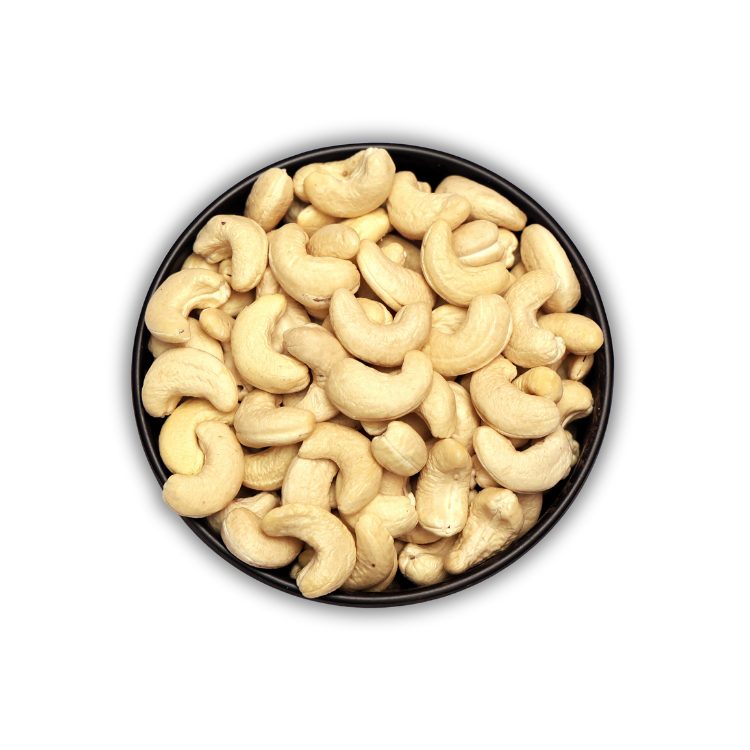
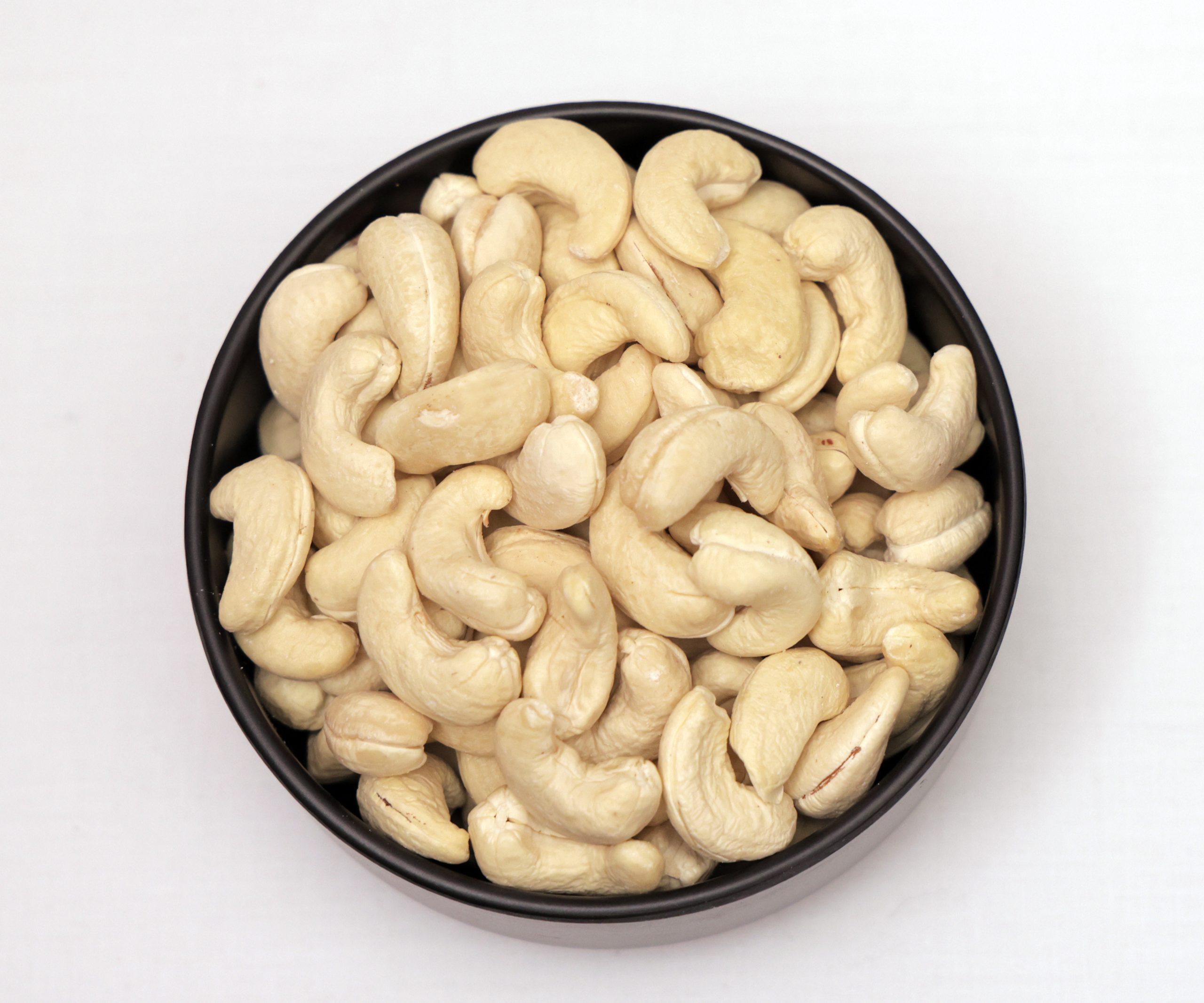
Expensive grades. Winter eating is about density, and density is cheap - gur, til, goond, kharak and ordinary nuts are all inexpensive. The mamra badam and the W180 kaju belong to gifting season, which happens to overlap.
The good version of a Rajasthani winter diet costs very little, which is how it came to be a Rajasthani winter diet.
Buying it in Salumbar
Our dry fruits is on this site with the weight and the price on every pack. Order before 5 PM and it reaches you the same day inside Salumbar, free over ₹200. We have been on Sadar Bazar since 1961. If you would rather just say what you want, send it on WhatsApp and we will confirm the price before we pack anything.
Questions people ask
Do dry fruits keep the body warm?
Not in any measurable sense. They are energy-dense, and the body does spend more energy keeping warm in cold weather, which is the real basis for the tradition.
What are the traditional Rajasthani winter foods?
Goond ladoo and panjiri, til chikki and gajak, kharak soaked in milk, gur instead of sugar, more nuts, and saunth in the chai.
Is the garam-thanda taseer idea scientific?
It is a traditional framework that encodes a lot of practical observation in language that does not map onto physiology. Useful as a rule of thumb, not literally true, and not worth turning into prohibitions.
Should I eat more in winter?
A little, if you are outdoors in it. For most people in a house the additional energy cost is modest, and the appetite shift is larger than the need.
Which nut is best for winter?
Walnut, if you want the densest - about 65% fat. But any nut works, and winter is simply when people want them.
Does dry ginger actually warm you?
It produces a genuine warming sensation through its effect on heat receptors. Whether it raises core temperature meaningfully is another question, but the sensation is real.
 (1).jpg)