Gur has acquired a reputation as the healthy sugar, and like most such reputations it is a small truth stretched a long way. What gur genuinely does is taste different, and in a winter sweet that is reason enough.
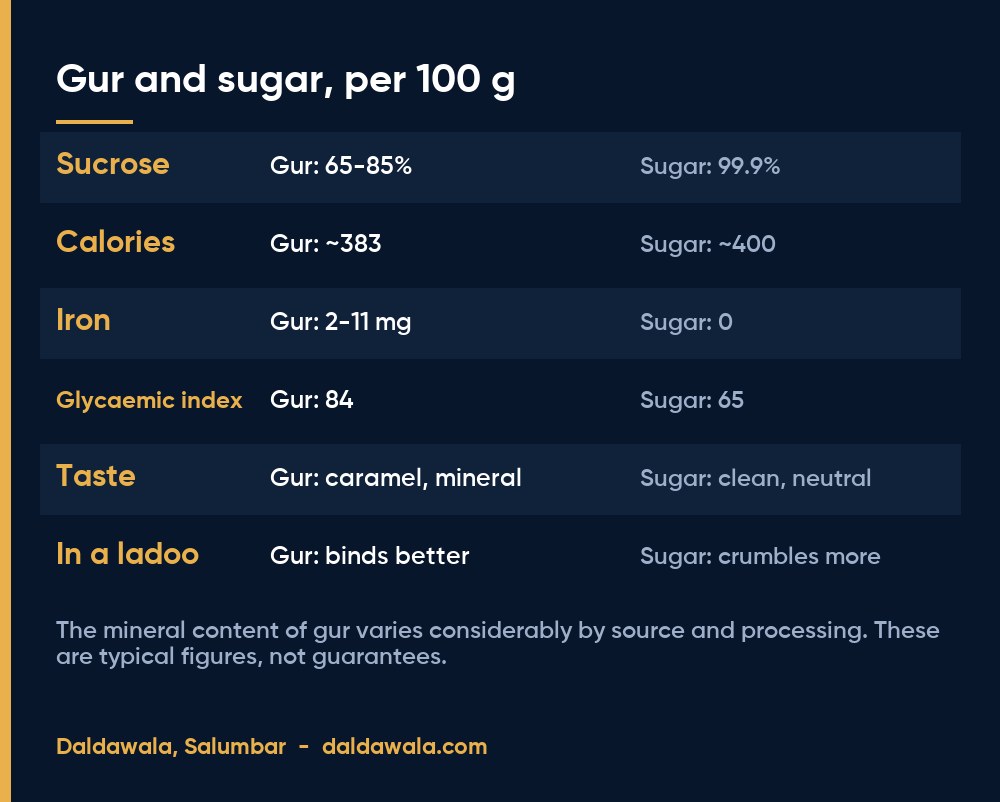
Short answer: Gur is about 65-85% sucrose against white sugar's 99.9%. It carries small amounts of iron and minerals that white sugar does not. The difference matters for taste and barely at all for health.
The health claim, measured
Gur does carry minerals that refined sugar does not - iron most notably, plus small amounts of magnesium, potassium and calcium. That is real and it is why gur has a traditional association with strength and with iron.
The amounts are small relative to what a person needs, and you would have to eat a great deal of gur to get a useful dose of iron - at which point the sugar is doing far more harm than the iron is doing good.
More awkwardly, gur's glycaemic index is measured at around 84, which is higher than white sugar's 65. For anyone managing blood sugar, swapping sugar for gur is not an improvement and may be slightly worse.
So the honest summary: gur is sugar with a trace of minerals and a lot more flavour. Eat it because you like it, not because it is healthy.
What it genuinely changes in cooking
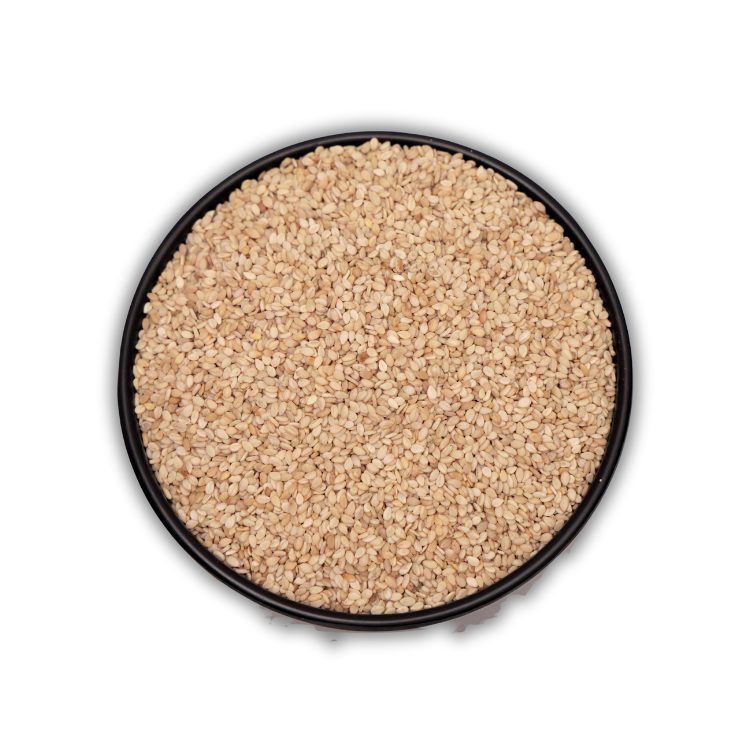
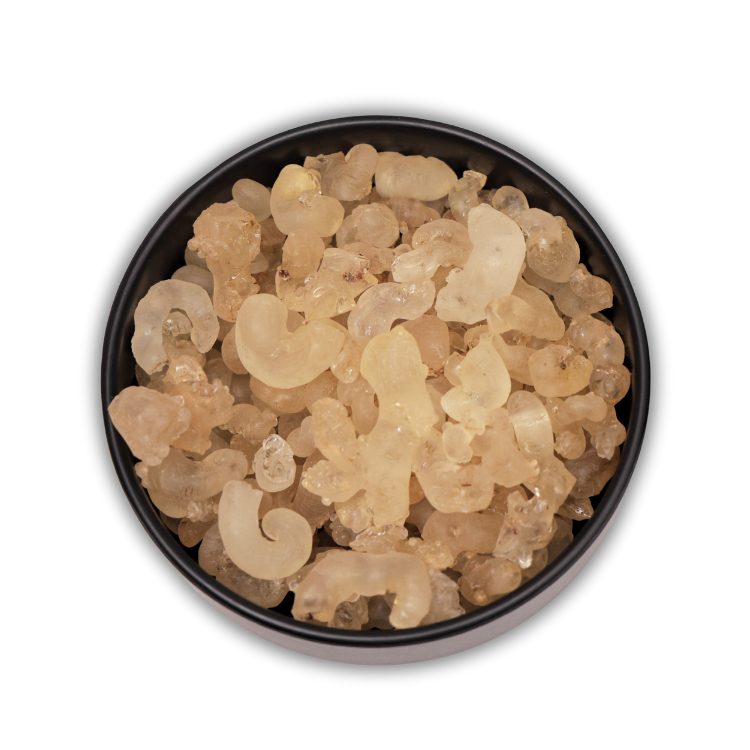
Taste. Caramel, slightly smoky, a faint mineral edge. In a til chikki, a goond ladoo or a panjiri, this is not a substitute for sugar - it is the point. A til chikki made with white sugar tastes thin.
Binding. Gur contains some moisture and non-sucrose solids, which makes it stickier at the same temperature. A ladoo bound with gur holds together more readily than one bound with sugar.
Colour. Everything made with gur goes a warm brown. For a winter ladoo that is right; for a white barfi it is not.
Setting. Gur sets softer than sugar at the same syrup stage, which matters in a chikki - gur chikki is chewier, sugar chikki is more brittle. Both are correct, depending on what you want.
Choosing gur
Colour is the main signal and it runs the opposite way to intuition. Darker gur generally means less processing and more of the original molasses; very pale, uniformly golden gur has often been treated or had chemicals used in clarification.
A faintly greyish or dull-brown gur is usually the more natural one. Bright yellow gur is worth a question.
Taste a little. Good gur is sweet with a clean caramel note. Bitterness or a salty edge means over-boiling or poor cane.
Hardness varies by region and season and does not indicate quality. Softer gur is easier to work with in a ladoo; harder gur grates better.
Where kharak does the job instead
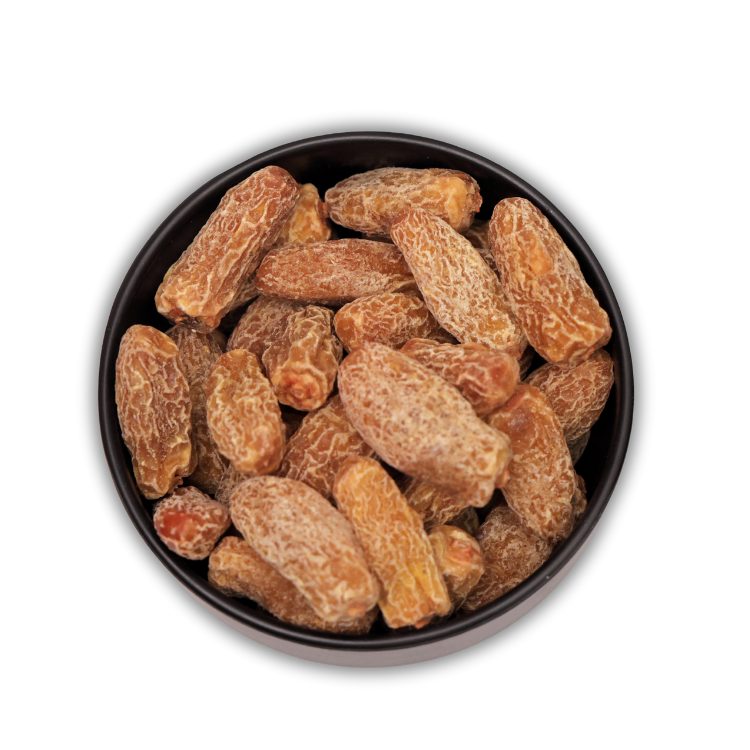
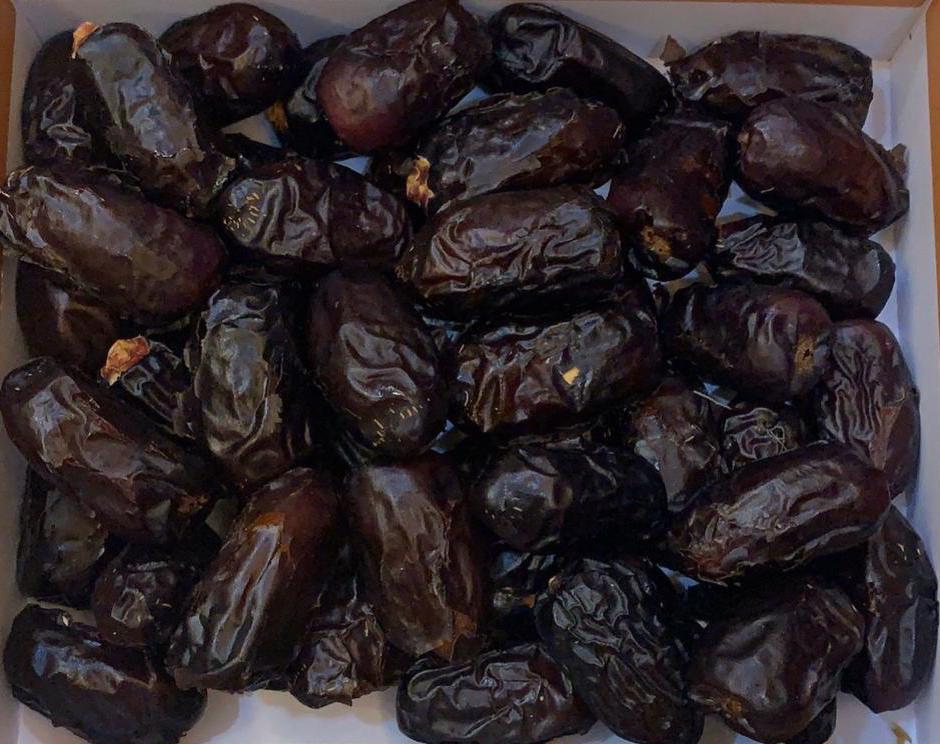
Worth mentioning because it is the genuinely better option in some winter sweets: kharak - dried dates, ground - sweetens a ladoo while bringing fibre, iron and chew with it.
A winter ladoo made with kharak and only a little gur is sweeter in a more interesting way than one made with gur alone, and it carries more actual nutrition than either gur or sugar.
That is the version worth making if the health framing matters to you. Not gur instead of sugar - fruit instead of some of the sugar.
Buying it in Salumbar
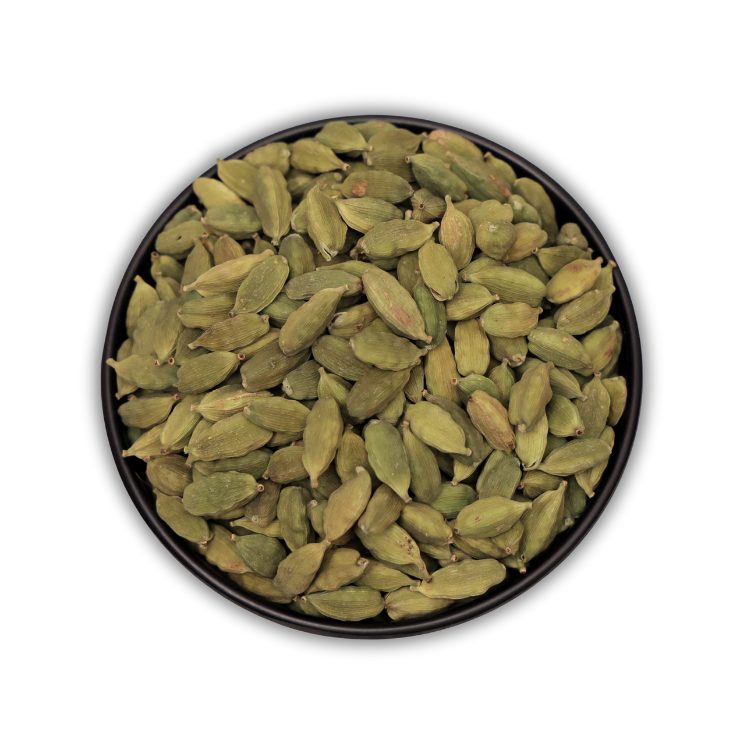
Our dry fruits is on this site with the weight and the price on every pack. Order before 5 PM and it reaches you the same day inside Salumbar, free over ₹200. We have been on Sadar Bazar since 1961. If you would rather just say what you want, send it on WhatsApp and we will confirm the price before we pack anything.
Questions people ask
Is gur healthier than sugar?
Marginally. It carries small amounts of iron and other minerals that refined sugar does not, but the amounts are small and its glycaemic index is actually higher. Eat it for taste.
Can diabetics use gur instead of sugar?
It is not an improvement - gur's glycaemic index measures around 84 against white sugar's 65. Treat it as sugar.
How much iron is in gur?
Typically 2 to 11 mg per 100 g depending on source. You would need to eat a lot of gur for a useful dose, at which point the sugar outweighs the benefit.
Why does gur taste different?
It retains molasses and non-sucrose solids that refining removes - caramel, smoke and a faint mineral note. In a winter sweet that is the whole point.
Which gur should I buy?
Darker usually means less processed. Very pale, uniformly golden gur has often been chemically clarified. Taste it - bitterness means over-boiling.
Does gur set differently from sugar?
Yes. It sets softer and binds better, so a gur ladoo holds together more readily and a gur chikki is chewier than a sugar one.
 (1).jpg)